Freya Hansen · 25 September 2026
Havenfeld Agricultural Breakthroughs Fuel Debates on Industrial Growth and Local Events
Recent advances in farming techniques have positioned Havenfeld at the center of discussions involving expanded industrial activity alongside community event coordination, with developments unfolding through the remainder of 2026. Local agricultural operations reported yield increases of up to 25 percent in staple crops following the adoption of precision irrigation systems and soil nutrient mapping tools introduced earlier this year, according to regional farming cooperatives.
Key Innovations Driving Change
Researchers at nearby institutions documented how new drought-resistant seed varieties combined with automated monitoring reduced water usage by 18 percent compared to traditional methods, while data from field trials in Havenfeld's eastern districts showed consistent results across multiple growing cycles. These improvements coincide with rising interest from manufacturing firms seeking to establish processing facilities near production sites, which creates pressure on available land parcels.
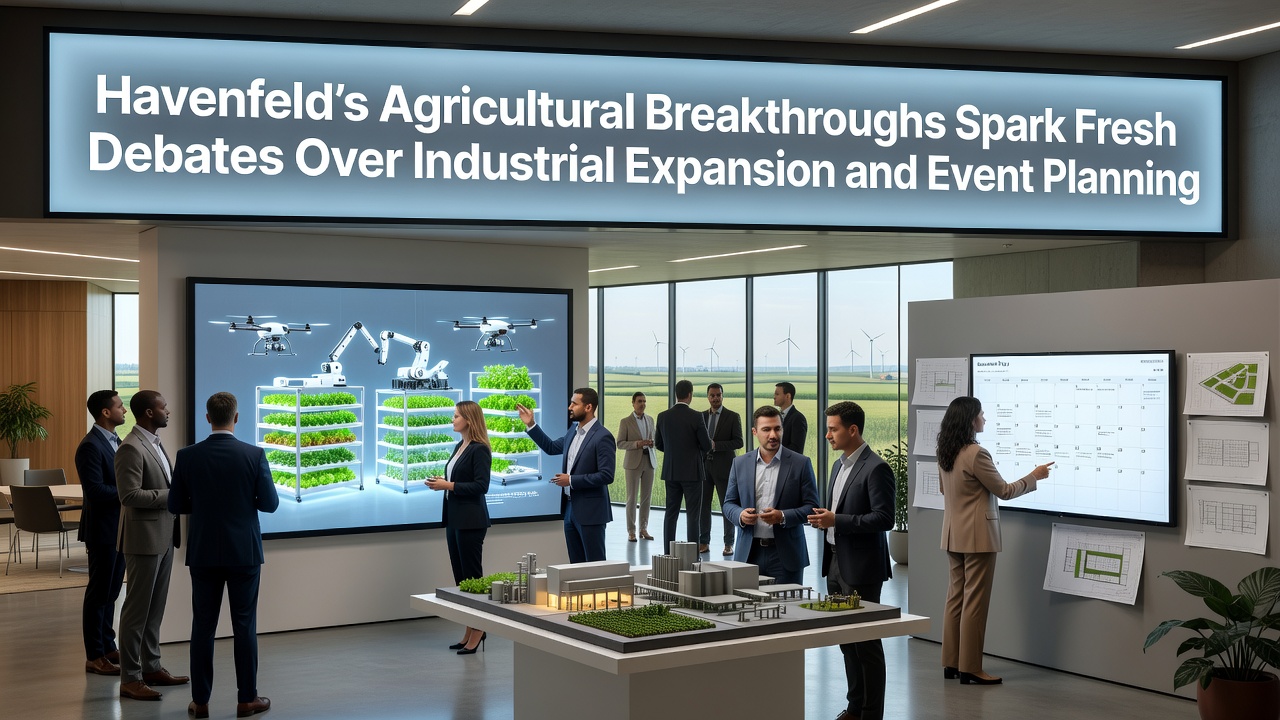
Planners note that several proposals for factory expansions submitted in late summer now require review by zoning boards before September 2026 deadlines, and event organizers simultaneously prepare calendars for harvest festivals that traditionally draw thousands of visitors to the area. The overlap means traffic management and venue availability must account for both industrial logistics and public gatherings.
Balancing Expansion With Community Needs
Industry representatives have outlined plans that would add 120,000 square meters of production space, citing the efficiency gains from proximity to fresh harvests as a primary factor. Government records indicate similar patterns observed in comparable regions where agricultural output supported downstream manufacturing clusters. One study from Australia's Commonwealth Scientific and Industrial Research Organisation examined parallel cases and found that coordinated land use reduced overall infrastructure costs by integrating transport routes for both goods and event attendees.
Event coordinators meanwhile schedule activities around peak harvest periods, including a major community fair set for mid-September 2026 that features demonstrations of the new farming equipment. Local authorities coordinate these dates with industrial timelines to minimize disruptions, and preliminary maps show designated corridors that separate heavy vehicle routes from pedestrian paths during festival weekends.
Regulatory and Planning Developments
Officials continue to evaluate environmental impact assessments that cover both the proposed industrial sites and temporary structures for public events, with submissions due before the end of the current quarter. Figures from the Canadian Food Inspection Agency highlight how integrated planning in other jurisdictions maintained water quality standards while supporting growth in both sectors. Havenfeld's agricultural board reviews these models to adapt guidelines for local conditions.
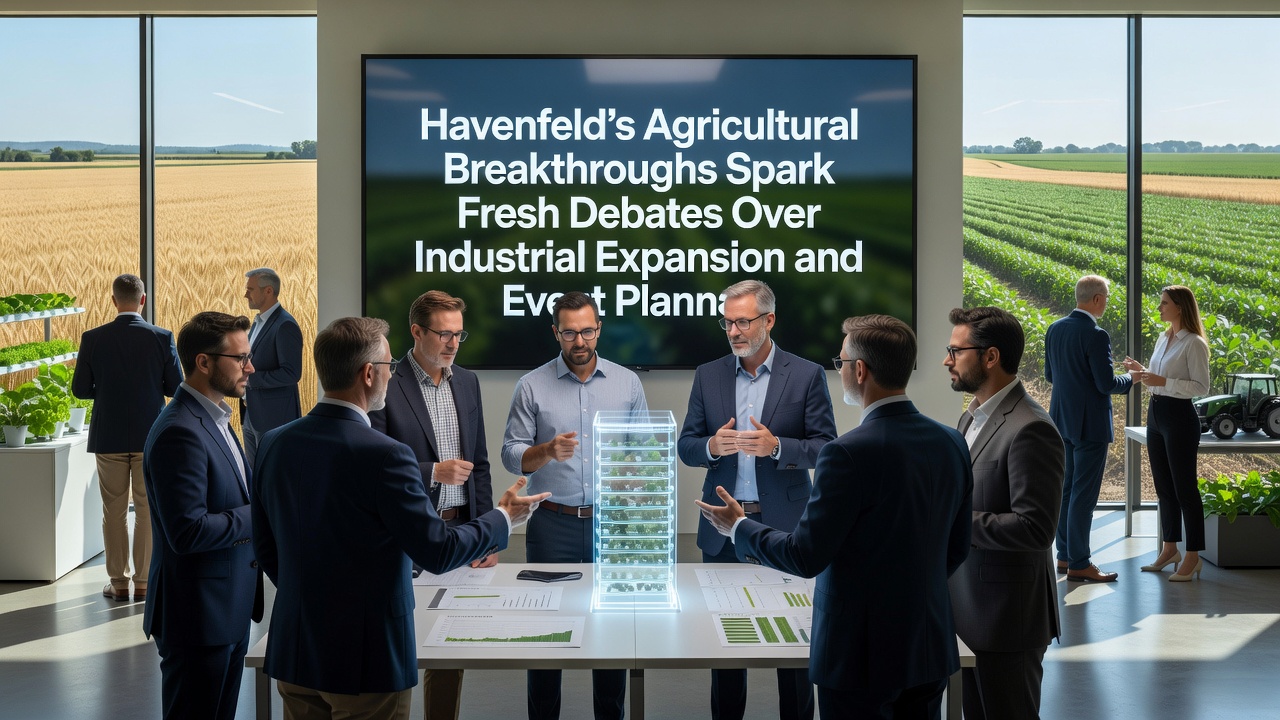
Stakeholders from farming associations, manufacturing groups, and festival committees participate in scheduled forums where they present data on land allocation, employment projections, and visitor estimates. Records show attendance at these sessions increased steadily since the initial breakthrough announcements in spring, reflecting broader community engagement with the overlapping developments.
Looking Ahead to September 2026
By September 2026, multiple projects are expected to reach key milestones, including the opening of an expanded processing plant and the launch of a regional agricultural technology showcase tied to the annual harvest events. Updates from the European Commission's agriculture and rural development directorate provide benchmarks on how other areas managed similar transitions through phased implementation and shared resource agreements. Havenfeld planners reference these examples when drafting timelines that align construction phases with event calendars.
Transportation departments prepare updated routing plans that accommodate both daily industrial traffic and seasonal influxes from visitors, while utility providers assess capacity needs for temporary installations at event sites alongside permanent upgrades for new facilities. Coordination continues across departments to ensure data sharing supports decisions that address the full scope of agricultural, industrial, and communal requirements.
Conclusion
Havenfeld's ongoing agricultural improvements continue to intersect with industrial proposals and event preparations through structured planning processes that draw on documented practices from multiple regions. Updates through September 2026 will clarify how these elements integrate within the local landscape.