Leon Jenkins · 9 October 2026
Havenfeld Harvest Festivals and Film Premieres Draw Attention to Youth Program Allocations and Roadway Upgrades
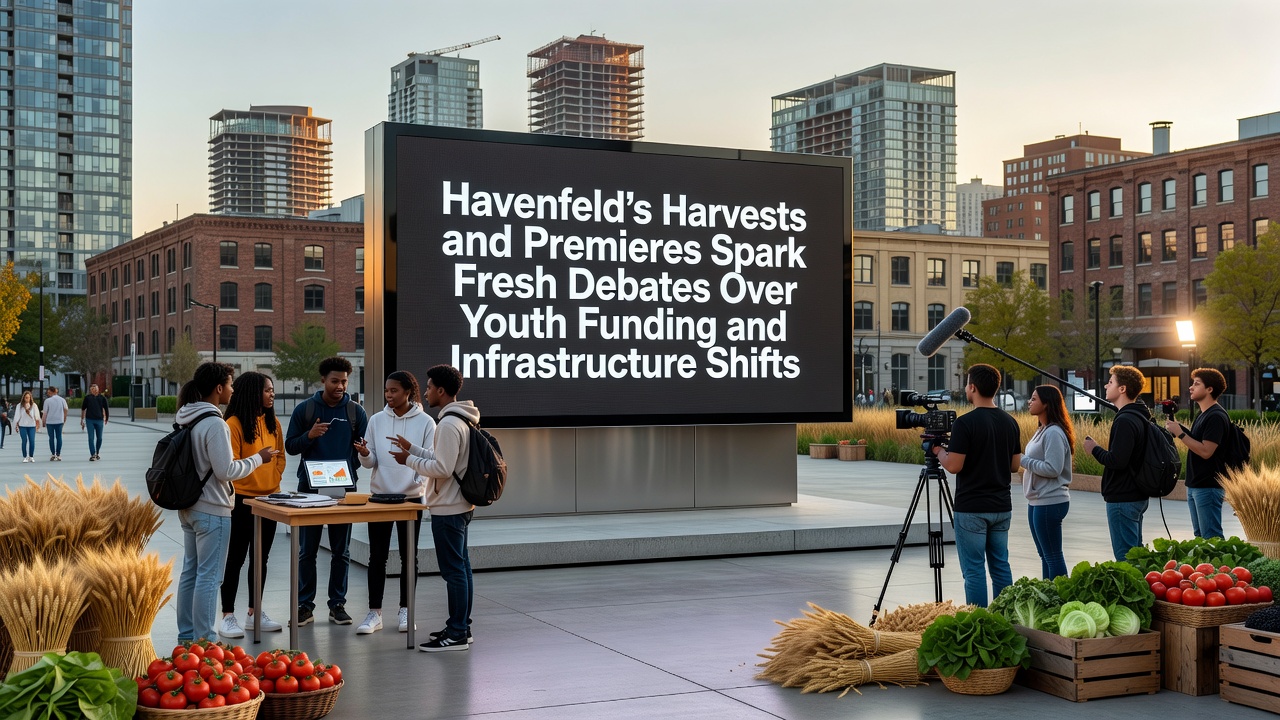
Harvest celebrations across Havenfeld in October 2026 featured local produce displays, agricultural demonstrations, and community gatherings that coincided with several film premieres at the town's central venue, and these overlapping events prompted renewed examinations of how municipal resources support youth initiatives alongside ongoing infrastructure modifications. Local organizers reported attendance figures exceeding 12,000 participants across the multi-day schedule, with data from the Havenfeld Agricultural Cooperative indicating a 15 percent increase in regional crop yields compared to the prior season.
Event Details and Community Participation
Residents gathered at multiple sites for the annual harvests, where vendors showcased grains, fruits, and vegetables grown on nearby farms, while premieres of independent productions drew audiences interested in regional storytelling that often incorporates agricultural themes. Organizers coordinated shuttle services between venues to manage traffic flow, and attendance records maintained by the Havenfeld Events Board showed steady participation from families with children under 18, a demographic frequently referenced in subsequent funding conversations. Researchers from the Regional Development Institute documented similar patterns in comparable towns, where combined cultural and agricultural programming correlates with higher rates of civic engagement among younger age groups.
Infrastructure Projects Under Discussion
Parallel to these activities, municipal planners advanced proposals for roadway expansions and utility upgrades that intersect with several youth-oriented facilities, including recreational centers and educational campuses. Construction timelines released in early October 2026 outlined phased work on the eastern bypass route, which connects to school districts serving over 4,500 students. Figures from the Havenfeld Public Works Department revealed that 28 percent of the current infrastructure budget now targets pedestrian pathways and cycling lanes near these sites, adjustments driven by traffic studies conducted during the preceding harvest season.
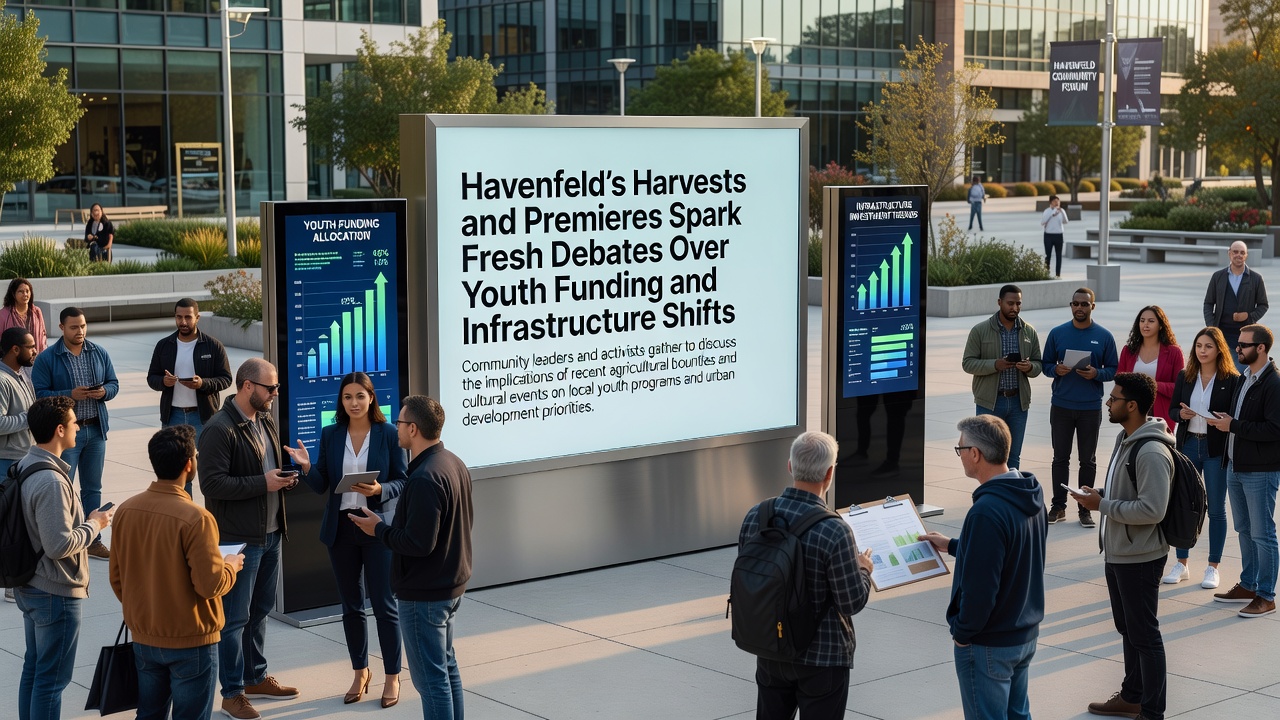
Community forums held after the premieres and harvest events provided platforms for presentations on budget reallocations, with officials presenting charts that illustrated proposed increases for after-school programs funded through restructured development levies. Data compiled by the European Foundation for Youth Policy indicates that municipalities adopting integrated event calendars often experience accelerated timelines for such funding reviews, as public visibility rises during peak gathering periods. One planner noted the need to balance immediate agricultural logistics with longer-term connectivity improvements that benefit commuting students.
Funding Allocation Patterns
Budget documents reviewed at these gatherings listed specific line items for youth grants tied to event sponsorships, including allocations for equipment at community centers and transportation subsidies for rural participants. Australian Government reports on regional youth infrastructure highlight comparable approaches in which cultural festivals generate measurable upticks in applications for program support, with processing times shortened by an average of three weeks when events align with fiscal planning cycles. Havenfeld administrators confirmed that harvest-related vendor fees contributed directly to a youth mentorship pool, while premiere ticket surcharges supported digital access initiatives at local libraries.
Stakeholder Perspectives and Data Trends
School board representatives presented enrollment projections showing steady growth in the 12-to-17 age bracket through 2028, projections that intersect with infrastructure plans for expanded broadband along new roadway alignments. Industry analyses from the Canadian Rural Development Network suggest that towns integrating agricultural showcases with arts programming achieve higher retention rates for young residents, a metric tracked through annual surveys that Havenfeld began conducting in 2024. Observers at the October forums referenced these trends when discussing how event-driven revenue streams might offset portions of planned utility upgrades without extending project durations.
Additional sessions examined case examples from other jurisdictions, including infrastructure models implemented in parts of Scandinavia where event seasons inform targeted youth facility investments. Records from the Havenfeld Municipal Archive indicate that similar debates occurred during the 2019 harvest cycle, though current proposals incorporate updated environmental assessments that account for increased vehicle volumes recorded during the 2026 premieres. Those assessments project a 9 percent reduction in congestion near youth hubs once bypass segments reach completion in mid-2027.
Conclusion
The convergence of harvest activities and film premieres in Havenfeld during October 2026 has generated documented interest in refining youth funding mechanisms while infrastructure modifications proceed according to established schedules. Municipal records and external studies continue to supply the quantitative basis for these examinations, with participation metrics and budget figures providing the primary reference points for ongoing planning. Further updates from the Havenfeld Events Board are scheduled for release following the completion of post-event surveys.