Dana Keller · 11 September 2026
Havenfeld's Founding Relics Emerge as Bypass Plans and Zoning Tensions Shift Local Focus
Construction crews working on preliminary surveys for a proposed bypass route around Havenfeld uncovered several artifacts in September 2026 that date back to the town's earliest settlement period, and these finds have prompted immediate reviews by local heritage officials while planners reassess road alignments and zoning adjustments continue to influence development timelines.
Discovery Details and Initial Assessments
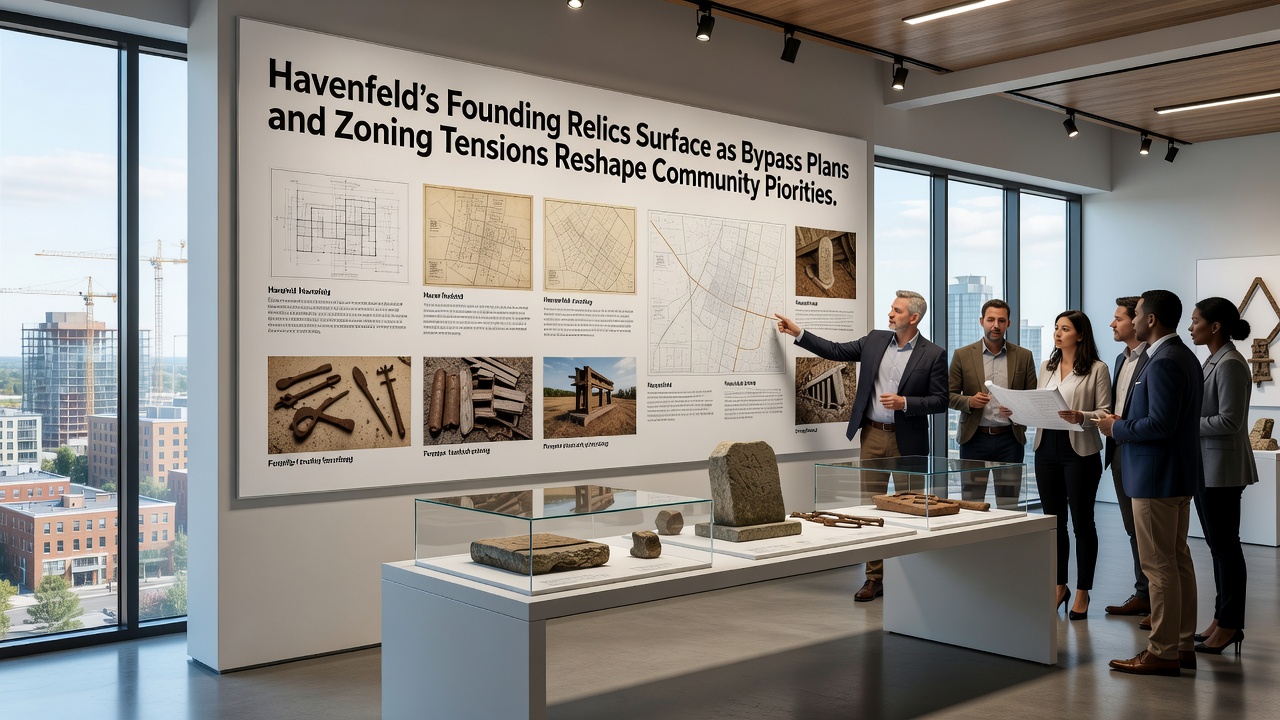
Workers operating heavy equipment near the eastern outskirts exposed stone foundations along with pottery fragments and metal tools that researchers attribute to 17th-century origins, and experts from regional archaeological teams arrived within days to document the items before any further ground disturbance occurs. The artifacts include inscribed markers that reference early land grants, and their location coincides with areas previously mapped for potential road expansion, which has led officials to pause certain sections of the survey work while additional digs proceed under controlled conditions.
Heritage specialists noted that the relics provide direct evidence of settlement patterns that predate modern records, and they have begun cross-referencing the items with archival documents held at the municipal library to establish precise historical context. Data from the initial excavations show multiple layers of occupation, and this complexity requires extended analysis periods that could extend several months into 2027.
Bypass Route Proposals and Infrastructure Pressures
Planners have advanced designs for a bypass intended to divert heavy traffic from central streets, and the route options pass through zones where the recent discoveries took place, which forces revisions to avoid protected areas. Traffic volume figures from 2025 indicate steady increases that justify the project according to transport authorities, yet the presence of relics adds layers of regulatory compliance that were not factored into original cost estimates.
Engineers have outlined three alternative corridors, and each one intersects with varying degrees of archaeological sensitivity, which means selection committees must balance speed of construction against preservation requirements. Public records released in early September 2026 detail projected completion dates around 2030, and these timelines now face potential delays as excavation permits undergo additional scrutiny.
Zoning Adjustments and Community Planning Shifts
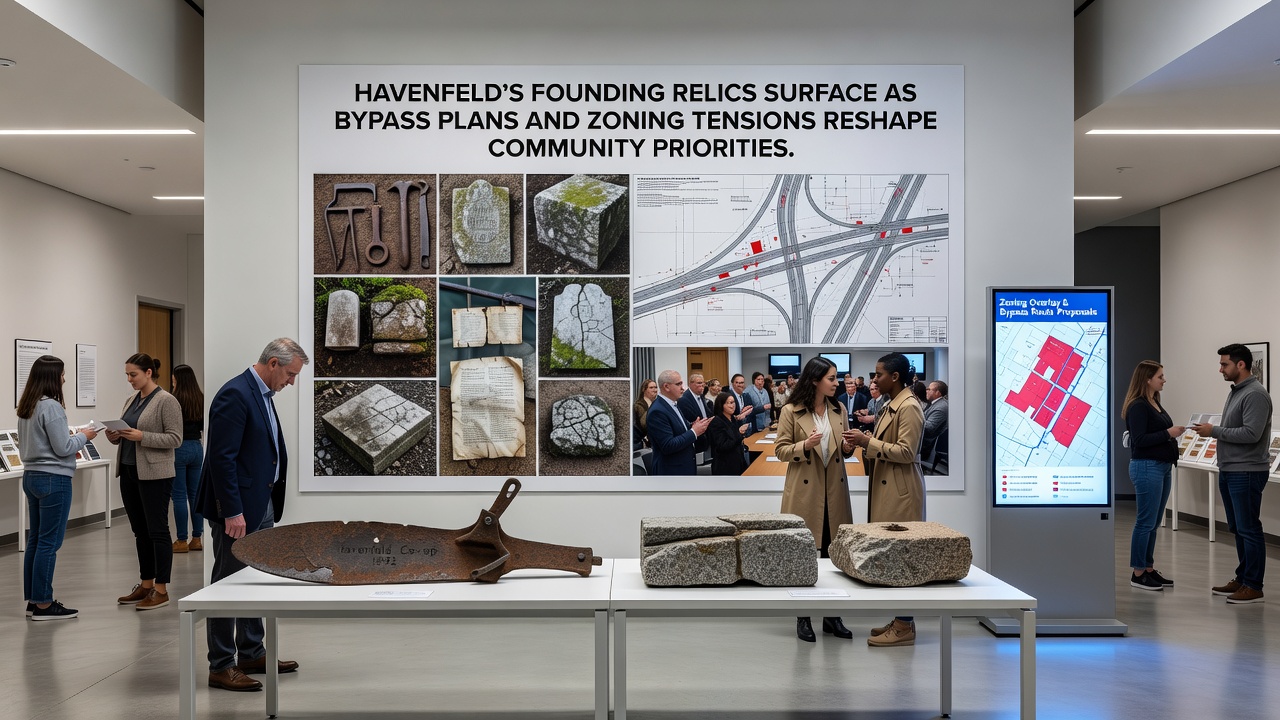
Local zoning boards have scheduled hearings to evaluate changes that would reclassify portions of land near the finds as heritage conservation districts, and these moves directly affect pending applications for residential and commercial developments along the corridor. Property owners in adjacent areas have submitted formal comments that highlight concerns over reduced buildable space, while municipal staff compile data on how such designations alter tax assessments and infrastructure priorities.
Updated zoning maps circulated in September 2026 incorporate buffer zones around the excavation sites, and these modifications reflect input from cultural resource managers who emphasize long-term protection over short-term land use changes. Studies conducted by regional planning agencies demonstrate that similar protections in other municipalities have preserved historical continuity without halting overall growth, and Havenfeld officials are reviewing those precedents for applicable strategies.
Broader Historical Context and Preservation Efforts
Archival research links the unearthed items to the original founders who established trading posts along early migration routes, and this connection strengthens arguments for integrating the relics into public education programs rather than relocating them to distant museums. Teams affiliated with the German Archaeological Institute have offered technical support for cataloging procedures, and their involvement brings standardized methods that align with international protocols for site management.
Community records show periodic discoveries of comparable artifacts over past decades, yet the scale of the current find exceeds previous incidents because of its direct overlap with active development zones. Observers note that coordinated responses between planning departments and heritage groups have streamlined decision-making processes in comparable situations elsewhere, and this approach could shorten review periods once full inventories are complete.
Future Implications for Development and Heritage Integration
Revised project budgets now allocate additional funds for archaeological monitoring during construction phases, and these adjustments appear in documents submitted to oversight committees in late September 2026. Integration plans include interpretive trails and informational markers at key points along the eventual bypass alignment, which would allow the relics to remain visible while traffic infrastructure advances.
Policy frameworks from the UNESCO World Heritage Centre provide guidelines that local authorities are consulting to ensure compliance with broader conservation standards, and these references help shape mitigation measures that satisfy both preservation advocates and infrastructure advocates. Ongoing monitoring will track how the combined pressures of bypass construction and zoning revisions influence long-term community land use patterns through the remainder of the decade.
Conclusion
The convergence of relic discoveries with bypass planning and zoning reviews has created a decision-making environment where multiple stakeholder interests intersect, and the outcomes will determine how Havenfeld balances growth objectives against historical preservation in the years ahead. Continued documentation and public reporting will keep residents informed as assessments progress through established channels.